
What Homeowners Need to Know About Pool Fencing Requirements
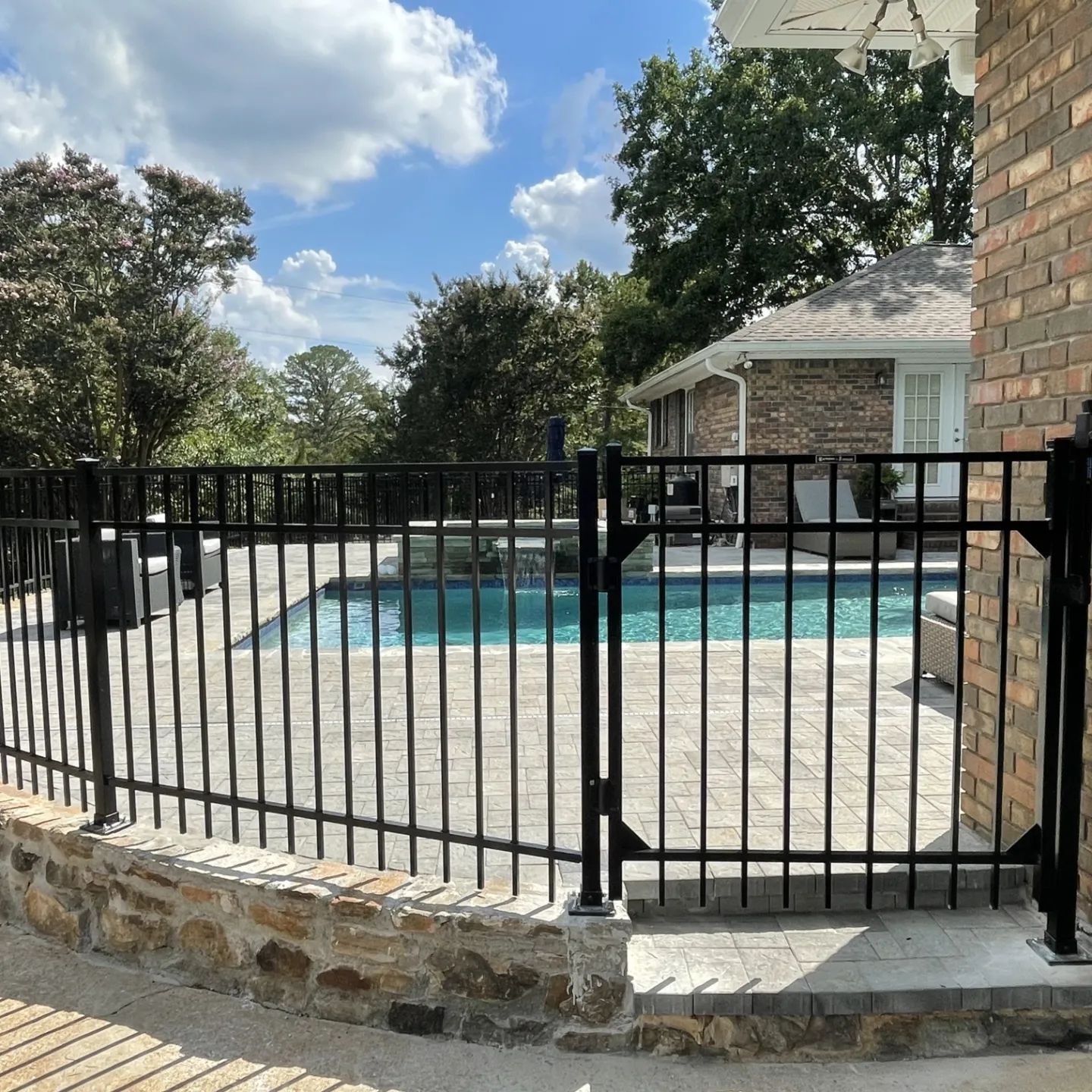
A pool is one of the best upgrades for any home, but it also comes with important safety responsibilities. Every year, preventable pool accidents occur due to unsupervised access, which is why proper pool fencing is not only recommended but often required by law.
Whether you’re installing a new pool or updating an existing one, understanding pool safety fencing requirements is essential for protecting children, pets, and guests while staying compliant with local building codes.
Why Pool Safety Fencing Matters
A pool fence is the first and most important layer of protection around any residential swimming pool. Even when other safety measures are in place, such as alarms or covers, a physical barrier significantly reduces the risk of accidental entry.
Key Benefits of Pool Fencing:
- Prevents unsupervised access to the pool area
- Reduces risk of drowning accidents
- Increases overall property safety compliance
- Adds structure and definition to outdoor spaces
Standard Pool Fencing Requirements
While regulations vary by state and municipality, most pool safety codes in the United States follow similar baseline standards.
- Minimum Fence Height: Most residential pool codes require at least 48 inches (4 feet) in height. Although some jurisdictions may require 60 inches (5 feet) depending on local regulations. The height requirement is designed to prevent young children from climbing over the barrier.
- Self-Closing, Self-Latching Gates: Pool gates are one of the most critical safety components. A compliant gate must swing outward, away from the pool, automatically close after opening, automatically latch securely and have the latch positioned out of reach of children (typically 54 inches or higher)
- Non-Climbable Design: To prevent children from scaling the fence, most codes require vertical pickets spaced close enough to prevent passage (usually under 4 inches), no horizontal rails on the exterior side that could be used as footholds, smooth surfaces without climbable decorative elements.
- Full Pool Enclosure: In most areas, the pool must be fully enclosed by a barrier. This typically means the fence must completely separate the pool from the home and yard access points, direct access from doors or patios must be protected with alarms or secondary barriers and that there should be no unprotected entry points into the pool area
- Gate and Door Alarms (Where Required): Some local codes require additional safety devices such as alarmed doors leading directly to the pool area, audible alerts when gates or doors are opened or automatic shut-off systems for added protection.
Pool Fence Requirements in Georgia
In Georgia, most residential pool fencing follows the International Residential Code (IRC), which includes:
- Minimum 48-inch fence height
- Self-closing and self-latching gates
- Full isolation of the pool from direct home access
However, local counties and cities may enforce stricter requirements, so homeowners should always verify with local permitting offices before installation. Security Fence Company is happy to assist in assuring that you meet all local requirements.
Best Pool Fencing Materials
Choosing the right fencing material impacts both safety and aesthetics. The most common options include:
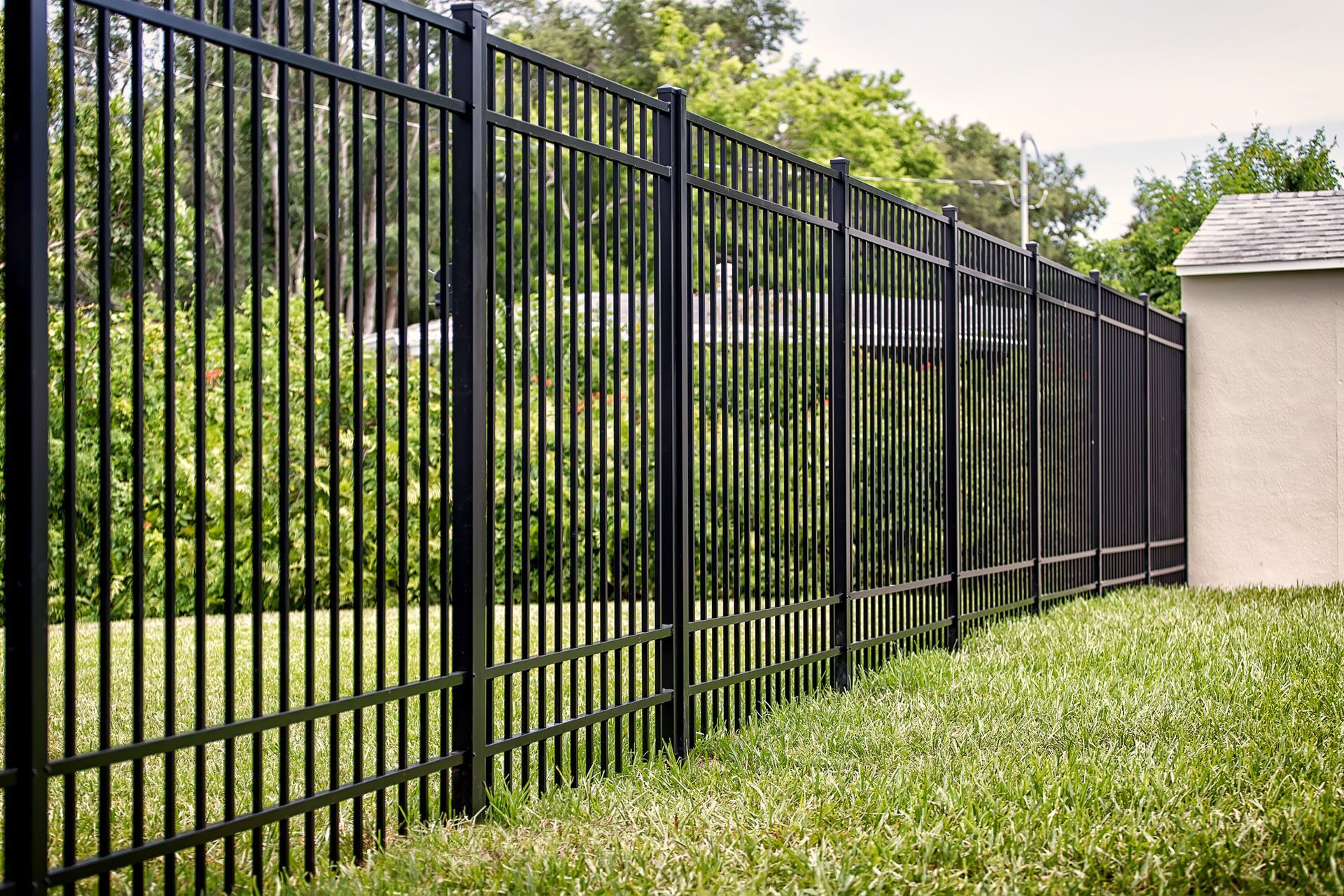
- Aluminum Pool Fencing
- Rust-resistant and low maintenance
- Clean, modern appearance
- Highly durable for long-term use
- Wrought Iron or Steel
- Extremely strong and secure
- Customizable decorative options
- Requires periodic maintenance
- Mesh Safety Fencing
- Removable and flexible
- Ideal for families with young children
- Highly effective temporary barrier solution
- Glass Pool Fencing
- Premium, modern aesthetic
- Unobstructed visibility of the pool area
- Higher cost but luxury appeal
Why Professional Pool Fencing Installation Matters
Proper installation is critical for both safety and code compliance. Even minor mistakes in height, spacing, or gate alignment can result in a non-compliant or unsafe system. A professional installer, such as Security Fence Company, ensures:
- Full compliance with local pool codes
- Proper gate operation and self-latching performance
- Durable installation built for long-term safety
- A design that complements your outdoor space
Pool fencing is more than a regulatory requirement, it’s a critical safety investment that protects families and prevents avoidable accidents. Whether you’re building a new pool or upgrading an existing one, ensuring your fence meets local safety standards is essential.
If you’re considering a new pool fence installation, working with an experienced contractor ensures your system is both compliant and designed to enhance your property’s overall look and safety.








Share On: