
Everything Georgia homeowners need to know about HOA fence guidelines, approval processes and avoiding costly mistakes before installation.
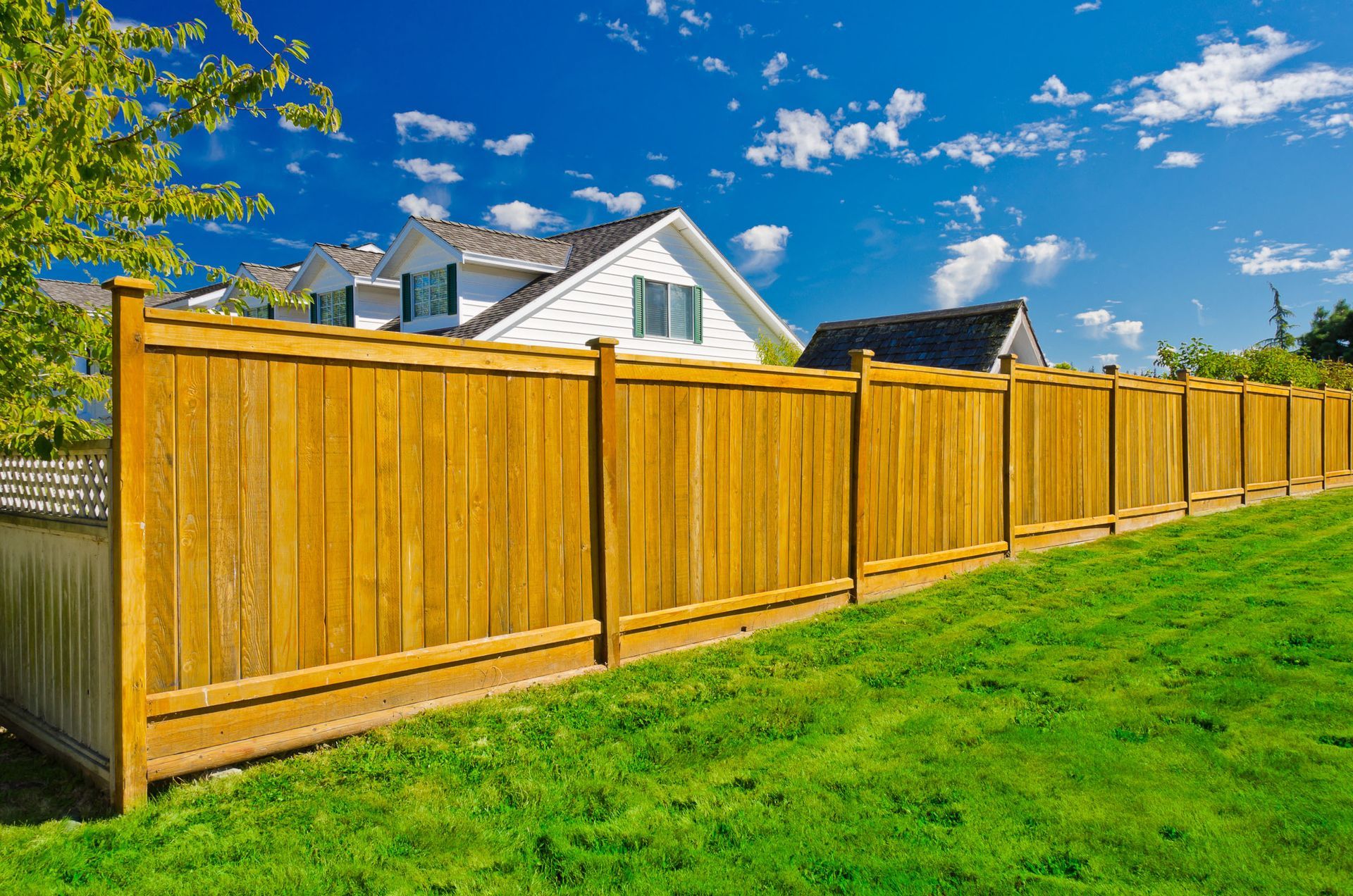
HOA fence rules decide what you can build, how tall it can be, and whether you need approval before a single post goes in the ground. If you live in a homeowners association community in Georgia, getting HOA approval for your fence is usually the first step, ahead of permits and installation.
This guide covers common HOA fence guidelines, how to get a fence approved by your architectural review committee (ARC), what happens if you build without approval, and how SFC helps homeowners get an HOA-approved fence the first time.
Do you need HOA approval to build a fence?
In most HOA communities, yes. Here at Security Fence Company we typically see that HOAs require written approval from the board or architectural review committee before homeowners can add or change a fence. HOA approval is also separate from city and county rules. Even with your HOA's sign-off, you may still need a building permit and must follow local rules on height, setbacks and front-yard placement. In most cases you need both.
Common HOA fence restrictions: height, materials, color and style
Every community is different, so your own covenants always come first. Most HOA fence guidelines, though, set limits in the same handful of areas.
- Area: What the rules often cover
- Height: Maximum height, often lower in front yards than back yards
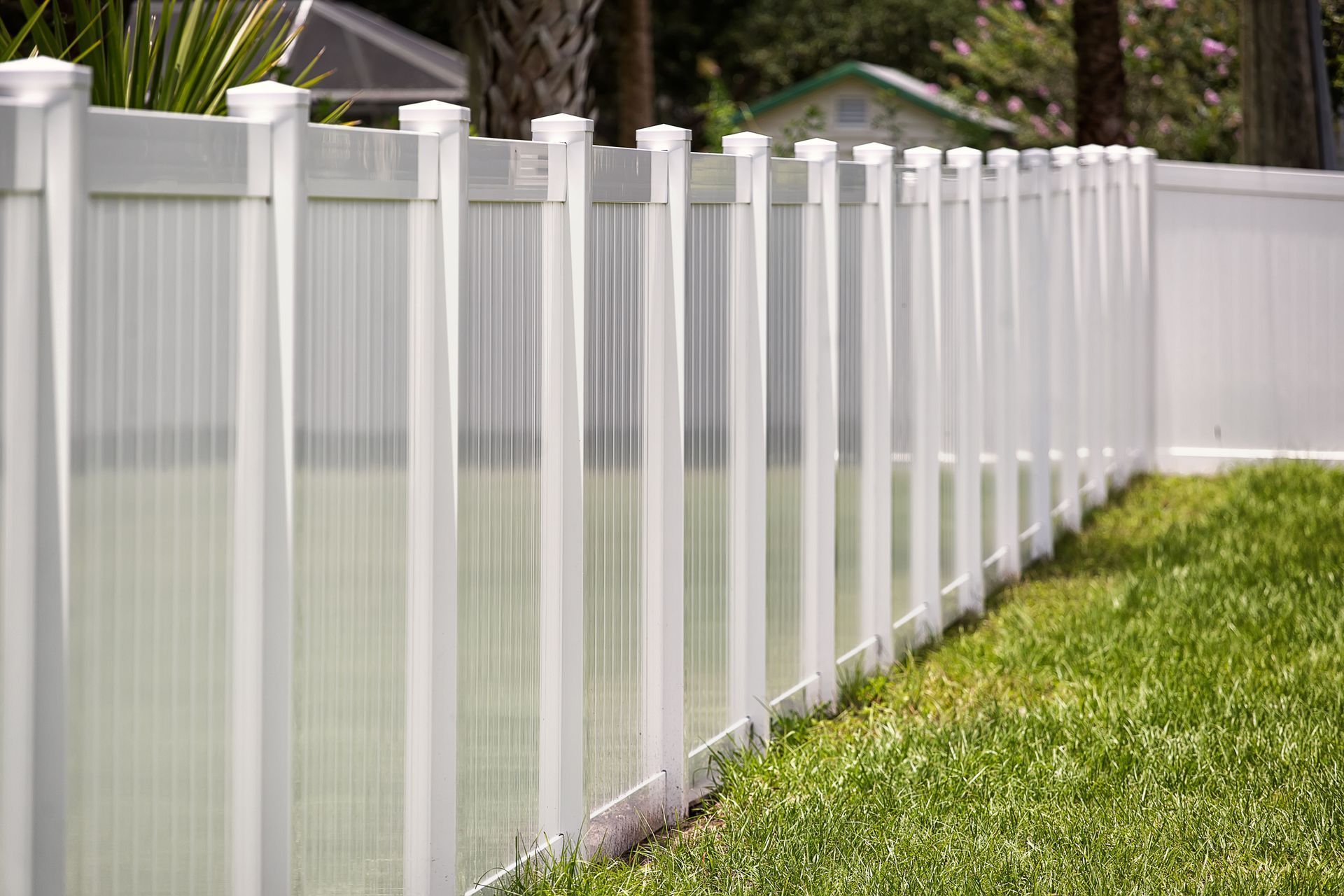
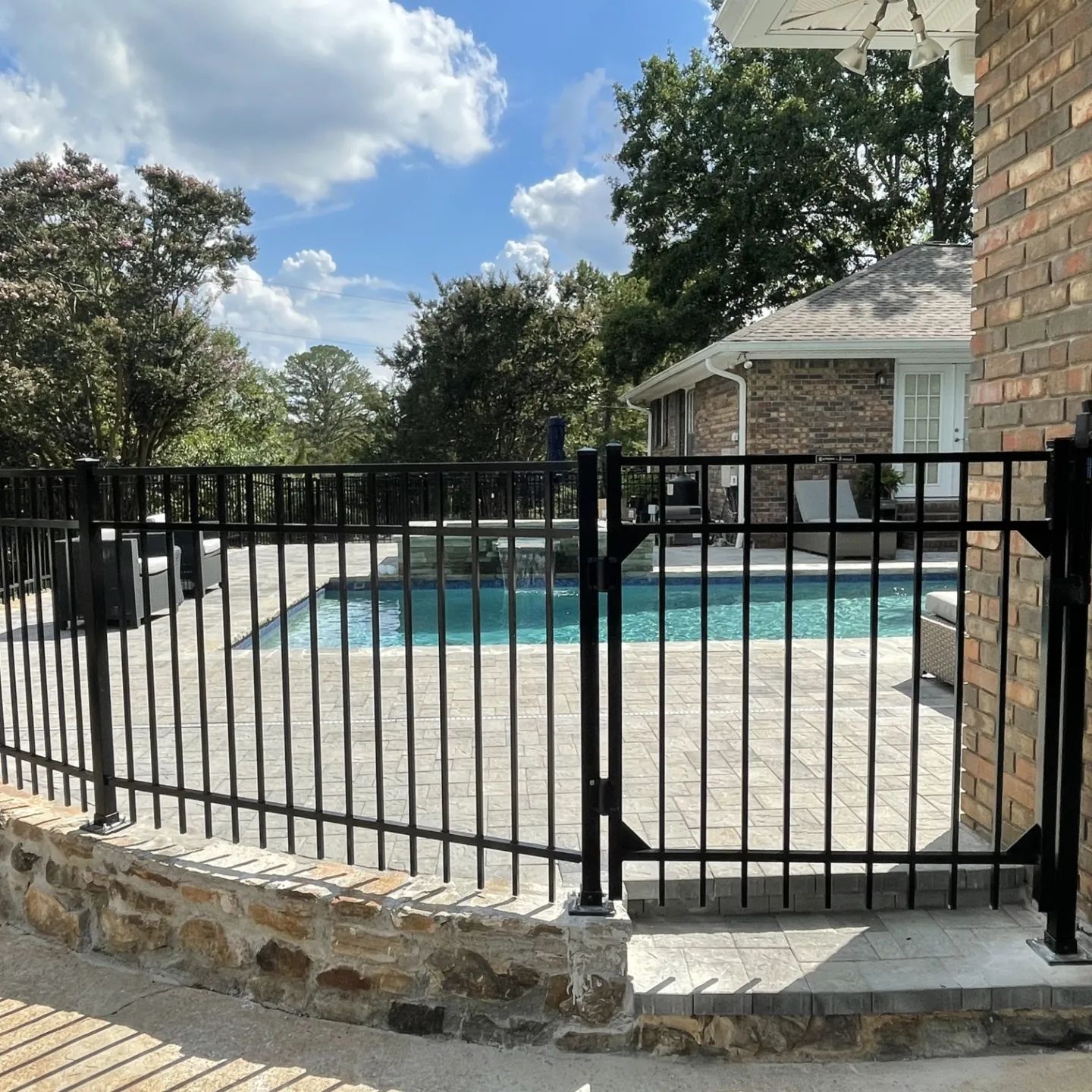
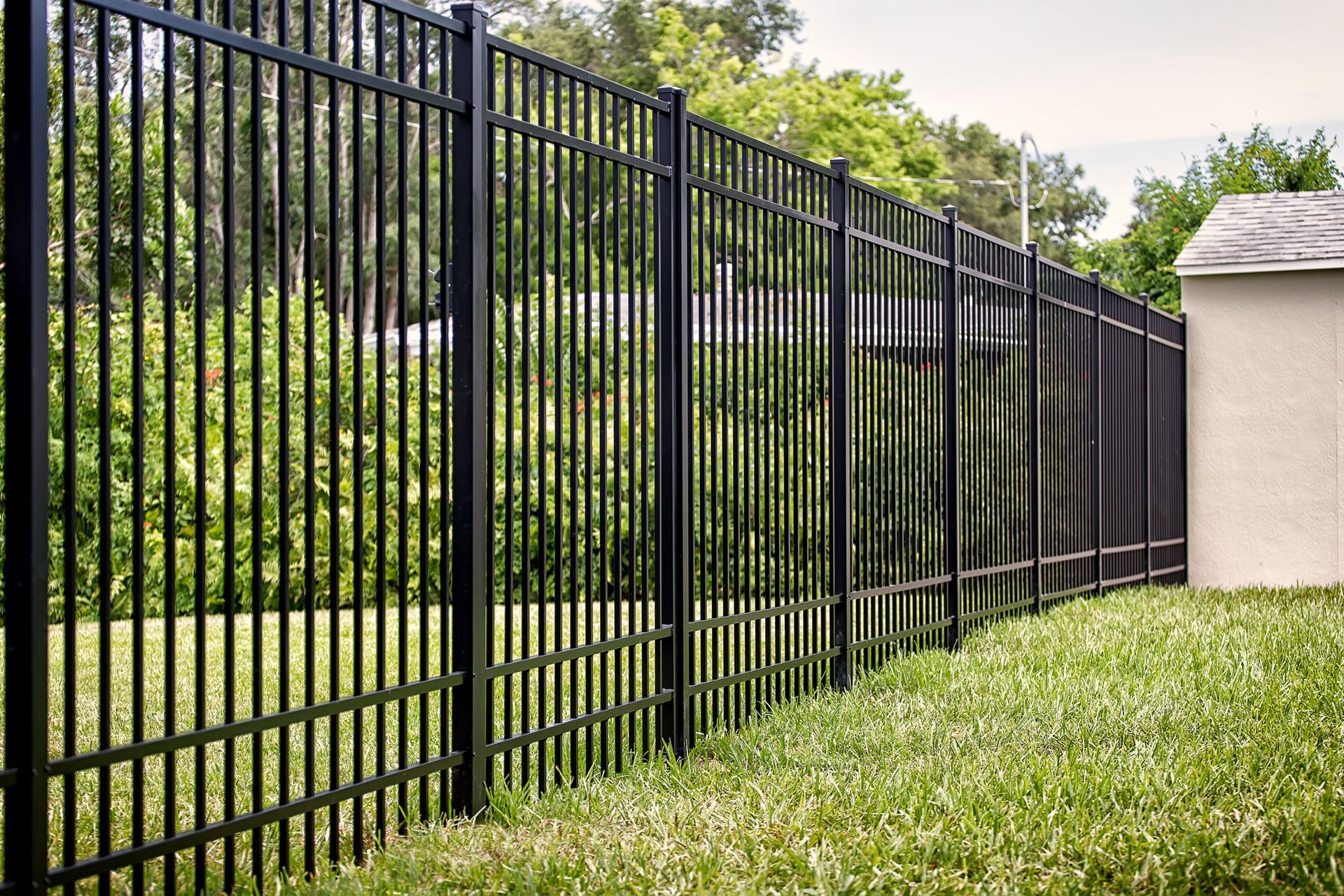
- Materials: Approved options such as wood, aluminum or vinyl, and sometimes a ban on chain link
- Color and finish: Approved stains, paints or color families that match the neighborhood
- Style: Picket, privacy, ornamental, or board-on-board, plus post cap and gate designs
- Placement: Setbacks from the street, easements, and how close to property lines you can build
- Approval process: Written application, drawings or samples, and a review period before work starts
How to get HOA approval for a fence, step by step
Getting a fence approved doesn't have to be a guessing game. Here's the process, and where SFC works alongside you at each step:
- Review your HOA requirements: Share your HOA's guidelines and we'll flag the limits on height, material, color, style and placement before you fall for a design.
- Design to the rules: We can recommend options that fit your goals and meet the guidelines, so you aren't choosing something that will be rejected.
- Prepare your application: We provide the drawings, site layout, material details and samples your HOA's architectural review committee typically asks for.
- Handle the paperwork with you: We help you complete and submit the request, and we can answer reviewer questions about specs and installation.
- Check permits and property lines: We confirm local permit requirements and where the fence can sit, so approvals line up.
- Build exactly what was approved: Installation follows the approved plan, and we point out any change that would need to go back to the HOA first.
- Leave you with a paper trail: You keep a copy of the approved plan and final details, which is useful if questions ever come up later.
What happens if you build a fence without HOA approval?
Building first and asking later is the costliest mistake homeowners make. Depending on your requirements, your HOA can:
- Send a violation notice and charge fines
- Require you to modify or remove the fence at your own expense
- Pursue enforcement, which can mean legal costs and added stress
- Complicate a future home sale if an open violation turns up
Starting work before you have written approval is typically a violation on its own, even if the fence would have been approved. Waiting for the green light is almost always faster and cheaper than fixing it later.
Why HOA applications get denied, and how to avoid it
Most rejections come down to a few preventable mistakes:
- Missing details: Applications without drawings, a site plan or material specs often get sent back. Include everything the form asks for.
- Choosing before checking: A height, color or style outside the guidelines is the top reason for denial. Check the rules first.
- Unclear placement: If reviewers can't see where the fence sits relative to property lines, easements and the street, they may hold it up.
- Changing the plan mid-project: Swapping materials or adding a gate after approval can put you out of compliance. Ask the HOA before any change.
- Skipping the wait: Starting work before written approval can lead to fines or an order to remove the fence.
Start your project the right way
An HOA doesn't have to stand between you and the fence you want. With the rules reviewed up front, a design that fits them, and a complete application, approval goes much more smoothly.
SFC is the solution. Talk to SFC before you submit anything. We'll review your HOA guidelines with you, help prepare your application, and build your fence to match what's approved. Call 706-30-FENCE or get your free quote.







Share On: